Fur Hen
What is a Fur Hen?
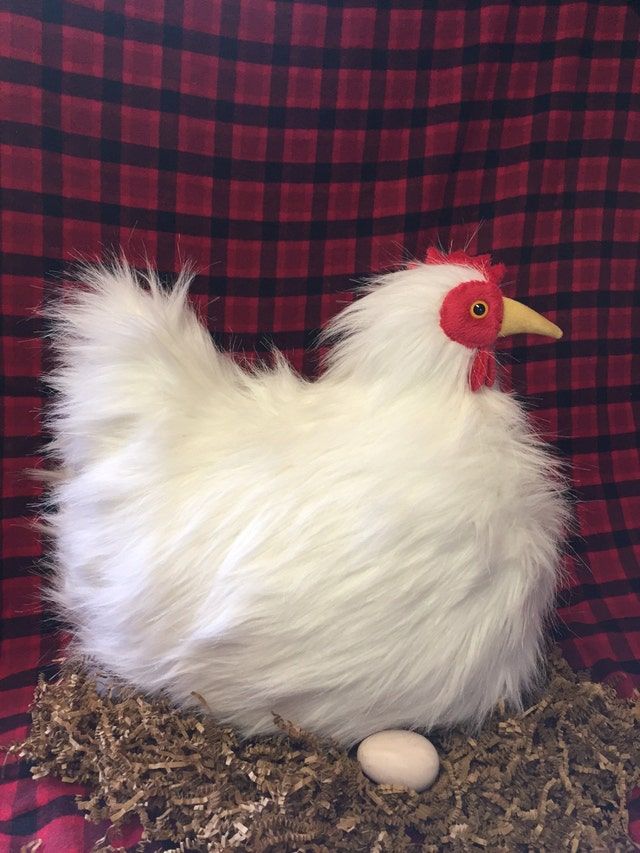
A fur hen is a type of chicken known for its soft, fluffy, fur-like feathers. Unlike regular chickens with smooth feathers, fur hens have a unique appearance that makes them popular for backyard farming and ornamental purposes.
These hens are loved for their friendly temperament, beautiful look, and usefulness in small-scale poultry farming.
Benefits of Raising Fur Hens
Raising fur hens offers several advantages:
- Ideal for small farms and home backyards
- Easy to manage for beginners
- Can produce eggs regularly
- Attractive birds for ornamental purposes
- Friendly around children
Many poultry farmers prefer fur hens because they are low maintenance and visually appealing.
What Makes a “Fur Hen” Unique?
The Silkie’s most famous trait is its fur-like plumage. Unlike most chickens, Silkie feathers lack barbicels—the tiny hooks that zip feathers together. This results in a soft, downy texture that feels like silk or fur to the touch.
Beyond their fluff, Silkies possess several rare physical characteristics:
- Black Skin and Bones: They have a genetic condition called fibromelanosis, which gives them deep bluish-black skin, meat, and bones.
- Five Toes: While most chickens have four toes, Silkies have five on each foot.
- Turquoise Earlobes: They sport striking, bright blue earlobes.
- Walnut Combs: Their combs are dark, lumpy, and shaped like a walnut.
Characteristics of Fur Hens
Fur hens are easily recognized by their:
- Soft, fluffy plumage
- Calm and friendly nature
- Medium to small body size
- Attractive and decorative appearance
- Good adaptability to backyard environments
Their fur-like feathers make them stand out compared to traditional poultry breeds.
Egg Production
Fur hens typically produce a moderate number of eggs per year. While they may not be the highest egg-laying breed, they provide consistent production when properly cared for.
To improve egg production:
- Provide balanced nutrition
- Ensure proper lighting
- Maintain a clean coop
- Offer fresh water daily
Fur Hen Care Guide
Proper care is essential to keep fur hens healthy and productive.
1. Housing
Provide a clean, dry, and well-ventilated coop. Because of their fluffy feathers, fur hens need protection from heavy rain and extreme moisture.
2. Feeding
Feed them high-quality poultry feed with:
- Protein
- Vitamins
- Minerals
- Fresh greens
Balanced nutrition improves growth and egg production.
3. Health Management
- Keep their feathers clean and dry
- Vaccinate regularly
- Protect from parasites
- Monitor for signs of illness
Common Varieties and Colors
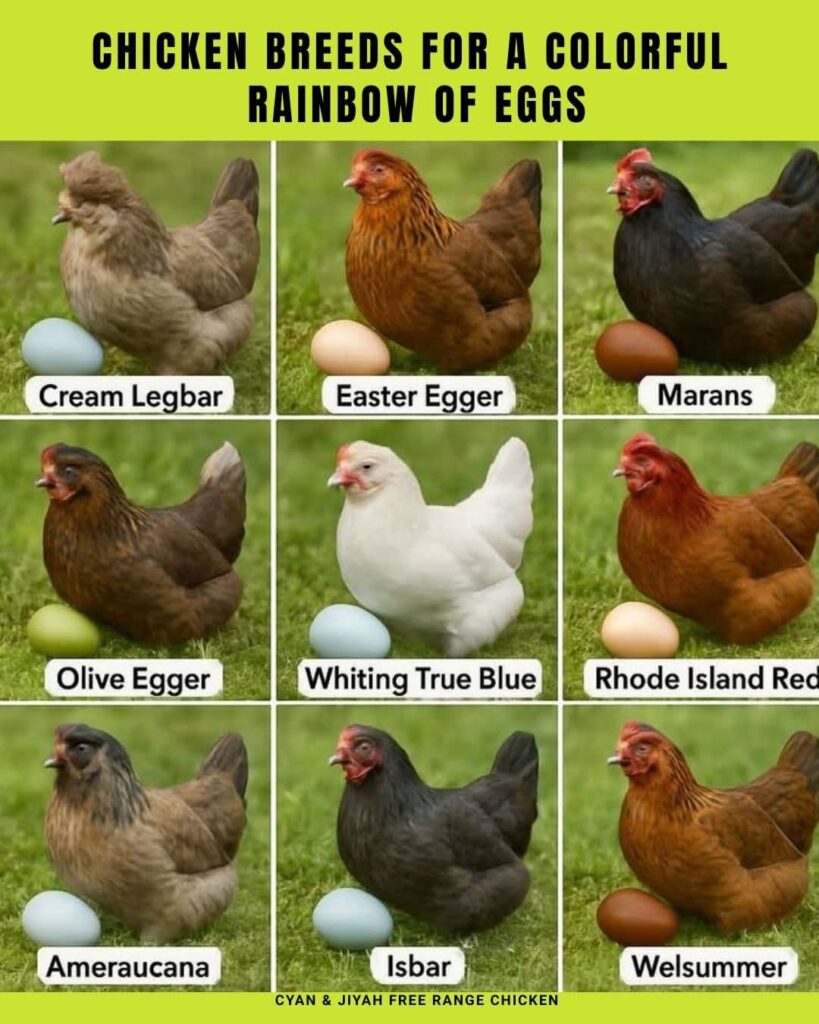
The American Poultry Association officially recognizes several stunning colors, though many “hobby” colors exist as well:
- Standard Colors: White, Black, Blue, Buff, Gray, Partridge, and Splash.
- Rare Varieties: Lavender, Porcelain, and Cuckoo.
- Bearded vs. Non-Bearded: Some have an extra “muff” of feathers under their beak (beard), while others do not.
Common Challenges
Although fur hens are easy to manage, some challenges include:
- Feather maintenance in wet climates
- Protection from predators
- Moderate egg production compared to commercial breeds
Proper management helps reduce these issues.
Is Fur Hen Good for Backyard Farming?
Yes, fur hens are excellent for backyard poultry farming in 2026. Their friendly nature, easy care requirements, and decorative appearance make them ideal for small-scale poultry enthusiasts.
They are especially suitable for beginners who want a low-maintenance chicken breed.