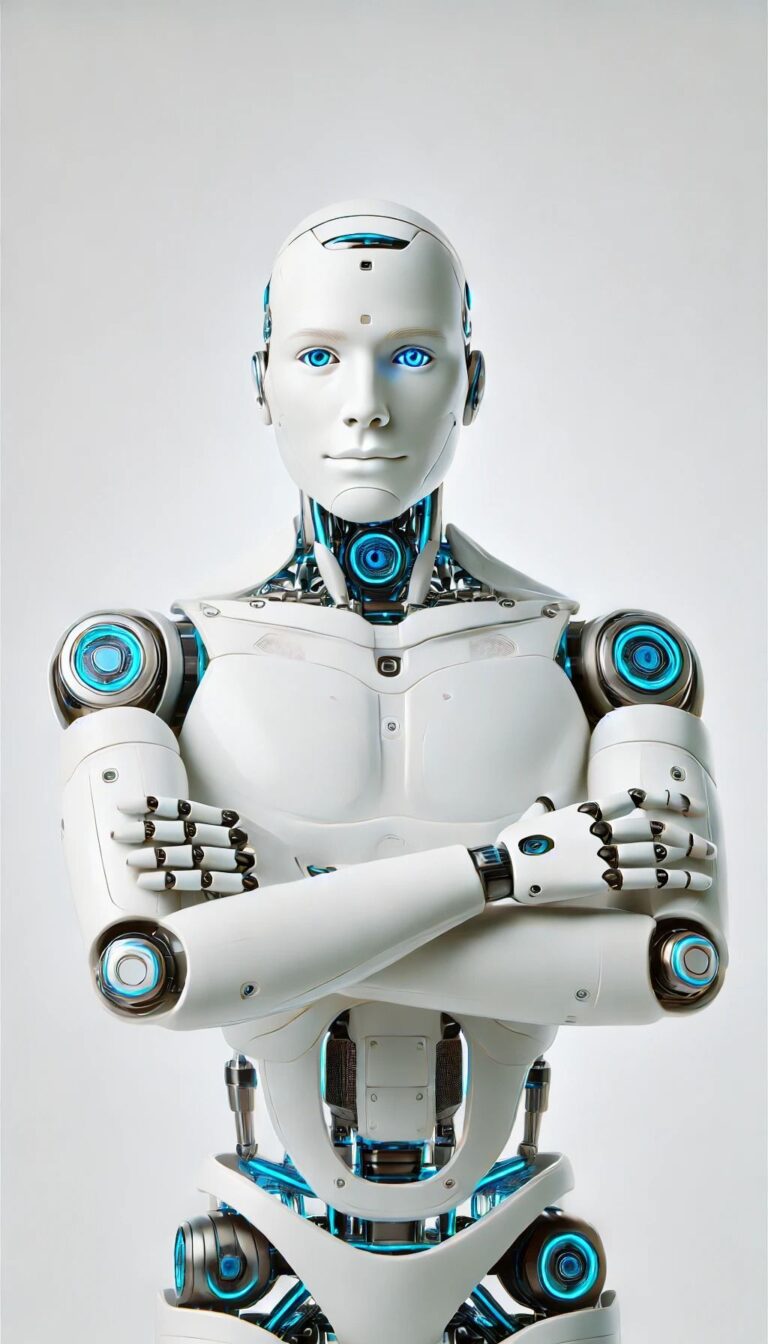
Artificial Intelligence
Artificial Intelligence (AI) refers to the development of computer systems capable of performing tasks that typically require human intelligence, such as reasoning, learning, decision-making, and perception. AI encompasses a wide range of technologies, including machine learning, deep learning, and natural language processing (NLP).
How Artificial Intelligence Works
AI works by combining:
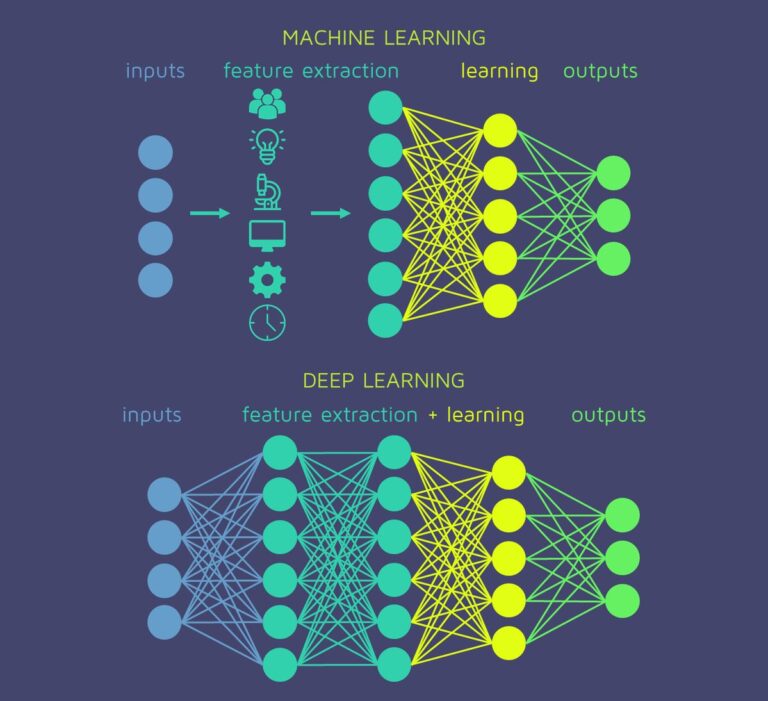
- Machine Learning (ML) – Algorithms that learn from data
- Deep Learning – Neural networks that mimic the human brain
- Natural Language Processing (NLP) – Understanding and generating human language
- Computer Vision – Recognizing images and videos
AI systems use large amounts of data to train models and improve accuracy over time.
Applications of AI
AI is integrated into many aspects of modern life, often without being explicitly recognized as AI. Some notable applications include:
- Search Engines: Advanced algorithms help in providing relevant search results (e.g., Google Search).
- Recommendation Systems: Used by platforms like YouTube, Amazon, and Netflix to suggest content based on user preferences.
- Autonomous Vehicles: Companies like Waymo use AI for self-driving cars.
- Healthcare: AI aids in diagnostics, personalized medicine, and robotic surgeries.
- Finance: AI is used for fraud detection, risk management, and automated trading.
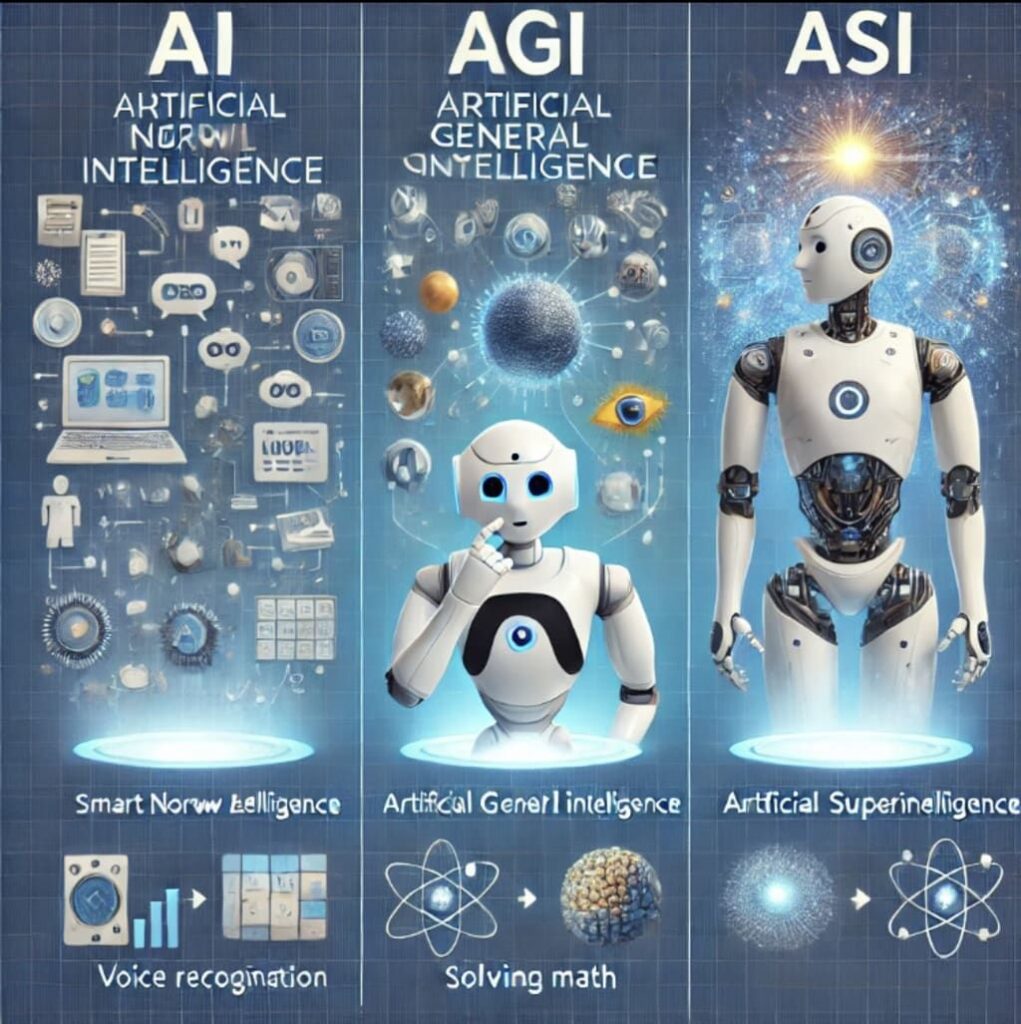
Types of Artificial Intelligence
1. Narrow AI (Weak AI)
Designed for specific tasks like voice assistants or recommendation systems.
2. General AI (Strong AI)
A theoretical AI that can perform any intellectual task like a human.
3. Super AI
An advanced concept where AI surpasses human intelligence (still in development).
Benefits and Challenges
Benefits:
- Efficiency: AI can perform repetitive tasks faster and more accurately than humans.
- Personalization: Enhances user experiences by providing personalized recommendations and services.
- Innovation: Drives advancements in various fields, including healthcare, finance, and transportation.
Challenges:
- Ethical Concerns: Issues like privacy, bias, and the potential for misuse.
- Job Displacement: Automation may lead to job losses in certain sectors.
- Security Risks: AI systems can be vulnerable to hacking and misuse.
AI continues to evolve, promising significant advancements while also posing challenges that require careful consideration and regulation.
Real-World Applications of Artificial Intelligence
🔹 Healthcare
AI helps in disease detection, medical imaging, and drug discovery.
🔹 Finance
Used for fraud detection, risk analysis, and automated trading.
🔹 Education
AI-powered tools personalize learning experiences.
🔹 Marketing
AI analyzes customer behavior and improves advertising strategies.
🔹 Cybersecurity
Detects threats and prevents cyber attacks in real time.
Latest AI Trends in 2026
- Generative AI tools
- AI-powered chatbots
- AI in automation
- AI for business analytics
- Ethical AI development
- AI integration with cloud computing
Artificial Intelligence vs Machine Learning
Artificial Intelligence is the broader concept of machines performing smart tasks, while Machine Learning is a subset of AI that allows systems to learn from data.
Future of Artificial Intelligence
Experts predict that artificial intelligence will play a major role in smart cities, autonomous vehicles, robotics, and advanced healthcare systems. Businesses that adopt AI early will have a competitive advantage.
AI is not just the future—it is the present technology shaping our world.