
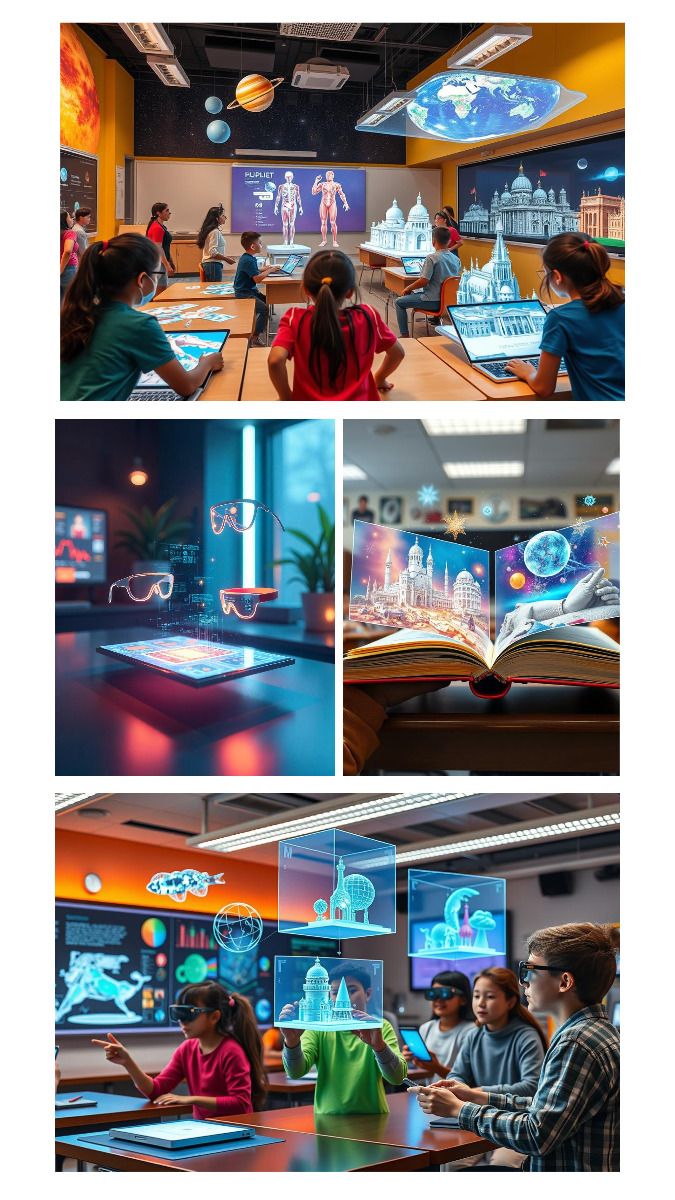
Augmented Reality
What is Augmented Reality?
Augmented Reality (AR) is an advanced technology that overlays digital elements such as images, sounds, and 3D objects onto the real world using devices like smartphones, tablets, or AR glasses.
Unlike virtual reality, which creates a completely digital environment, augmented reality enhances the real-world environment by adding interactive digital content.
Today, augmented reality is used in industries like gaming, education, retail, healthcare, and marketing.
How Augmented Reality Works
Augmented reality technology combines hardware, software, and sensors to integrate digital information with the real world.
Key Components of AR Technology
- Camera and Sensors – Capture the real-world environment
- Processing Software – Interprets the data and adds digital elements
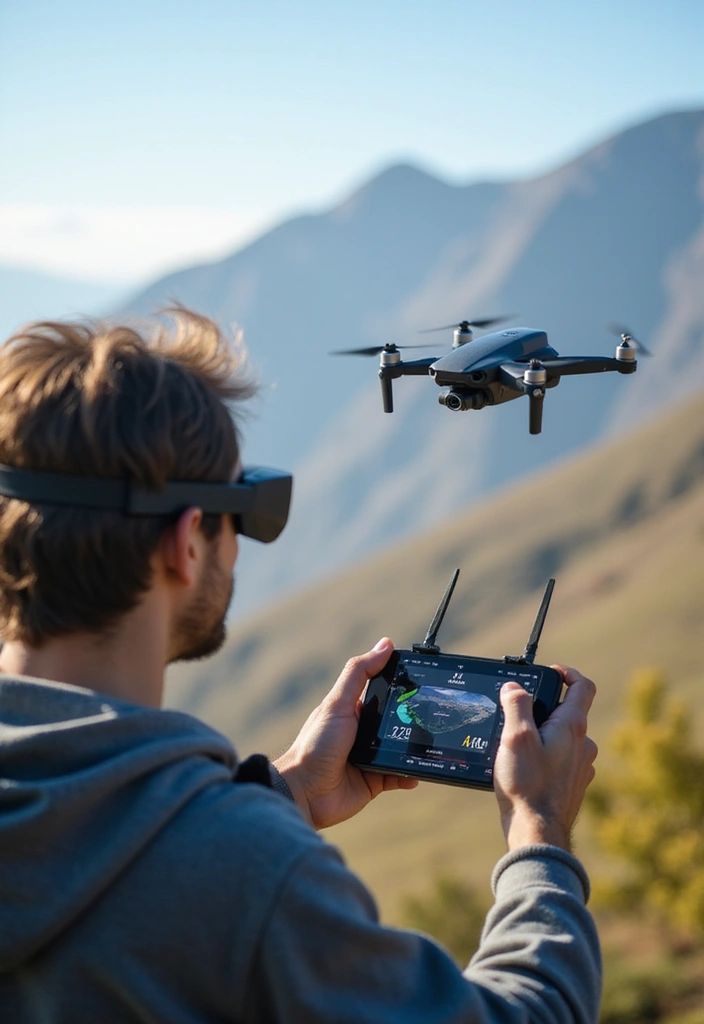
- Display Devices – Smartphones, tablets, or AR glasses that show the augmented content
- AR Applications – Software that creates the augmented experience
These components work together to deliver an interactive and engaging user experience.
Types of Augmented Reality
1. Marker-Based AR
Uses visual markers such as QR codes or images to trigger digital content.
2. Markerless AR
Uses GPS, sensors, and cameras to display digital elements without physical markers.
3. Projection-Based AR
Projects artificial light onto real-world surfaces to create digital interactions.
4. Superimposition-Based AR
Replaces or enhances parts of the real-world view with augmented elements.
Benefits of Augmented Reality
- Improves user engagement
- Enhances learning experiences
- Supports interactive marketing
- Increases productivity in businesses
- Provides innovative customer experiences
Many companies use AR to create immersive and interactive digital solutions.
Applications of Augmented Reality
🎮 Gaming
AR games allow players to interact with virtual objects in real-world environments.
🎓 Education
Teachers use AR to create interactive learning experiences and visual simulations.
🛍️ Retail and E-commerce
Customers can try products virtually before purchasing.
🏥 Healthcare
Doctors use AR for medical training, surgical planning, and patient care.
🏗️ Architecture and Design
AR helps architects visualize buildings and designs before construction.
Future of Augmented Reality
The future of augmented reality is promising. As mobile devices and AR glasses become more powerful, AR applications will expand across industries.
Experts predict that AR will play a major role in areas such as smart cities, remote collaboration, digital shopping, and interactive education.
Augmented Reality vs Virtual Reality
| Feature | Augmented Reality | Virtual Reality |
|---|---|---|
| Environment | Real world enhanced | Fully digital world |
| Devices | Smartphones, AR glasses | VR headsets |
| Interaction | Real + digital objects | Only virtual objects |
Both technologies are shaping the future of immersive digital experiences.