

What Is Artificial Intelligence?
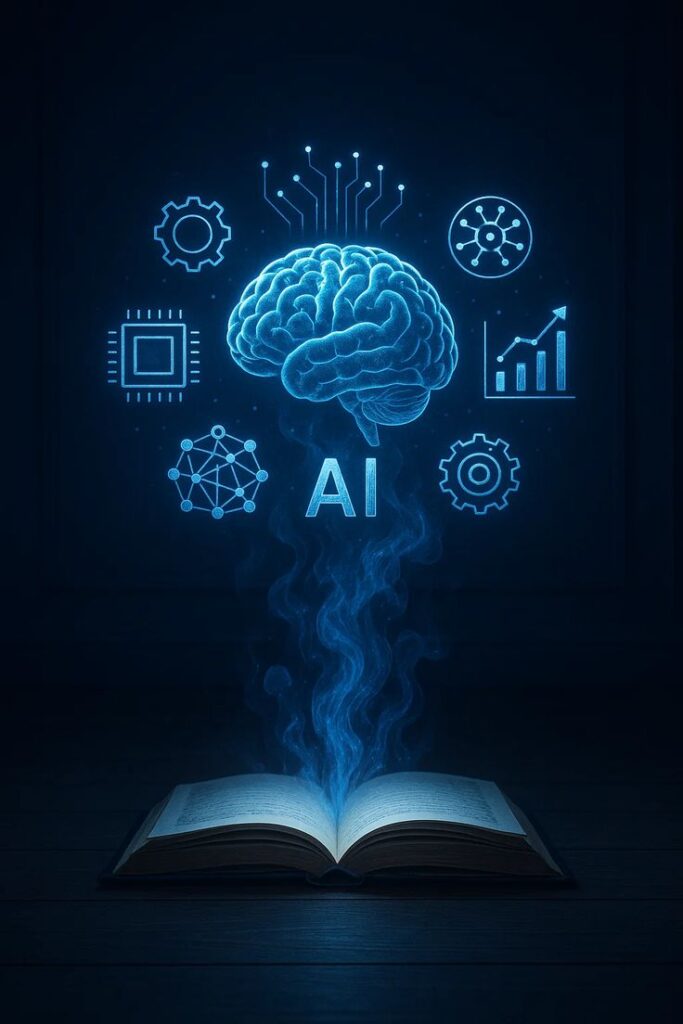
Artificial Intelligence refers to computer systems designed to perform tasks that normally require human intelligence, such as learning, reasoning, problem-solving, understanding language, and recognizing images.
AI combines machine learning, deep learning, natural language processing (NLP), robotics, and data science to create intelligent systems
Types of Artificial Intelligence
1. Narrow AI (Weak AI)
Designed for specific tasks like voice assistants, recommendation systems, and chatbots.
2. General AI (Strong AI)
A theoretical form of AI that can perform any intellectual task like a human.
3. Super AI
An advanced concept where AI surpasses human intelligence (still hypothetical).
Key AI Technologies
- Machine Learning (ML)
- Deep Learning
- Natural Language Processing (NLP)
- Computer Vision
- Robotics
- Expert Systems
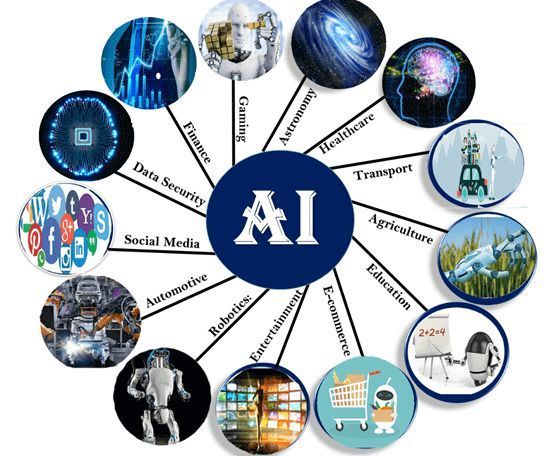
Applications of Artificial Intelligence
1. Healthcare
AI helps in disease detection, medical imaging, drug discovery, and virtual health assistants.
2. Business and Marketing
Chatbots, customer insights, automation, and predictive analytics improve performance.
3. Education
Personalized learning, smart tutoring systems, and automated grading.
4. Finance
Fraud detection, risk assessment, and algorithmic trading.
5. Transportation
Self-driving cars, traffic management, and route optimization.
6. E-commerce
Product recommendations, demand forecasting, and customer behavior analysis.
Challenges of AI
- Data privacy concerns
- High development costs
- Job displacement due to automation
- Ethical and bias issues
- Dependence on large datasets
The Future of Artificial Intelligence
AI will continue to evolve with advancements in robotics, smart cities, autonomous systems, and human-machine collaboration. It will play a major role in shaping industries and everyday life.