Virtual Reality
What is Virtual Reality?
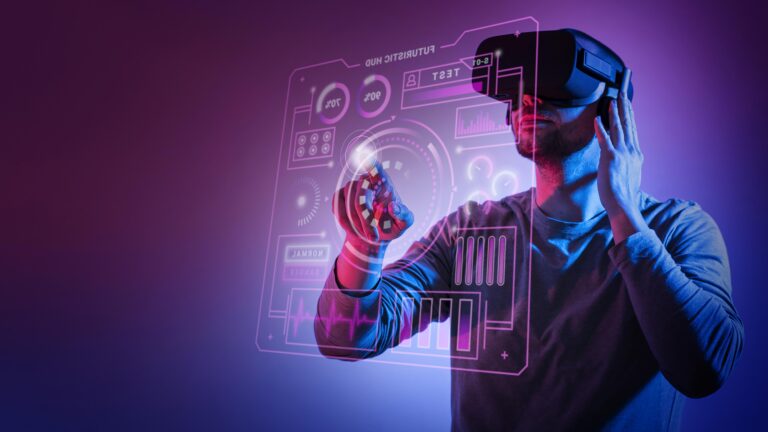
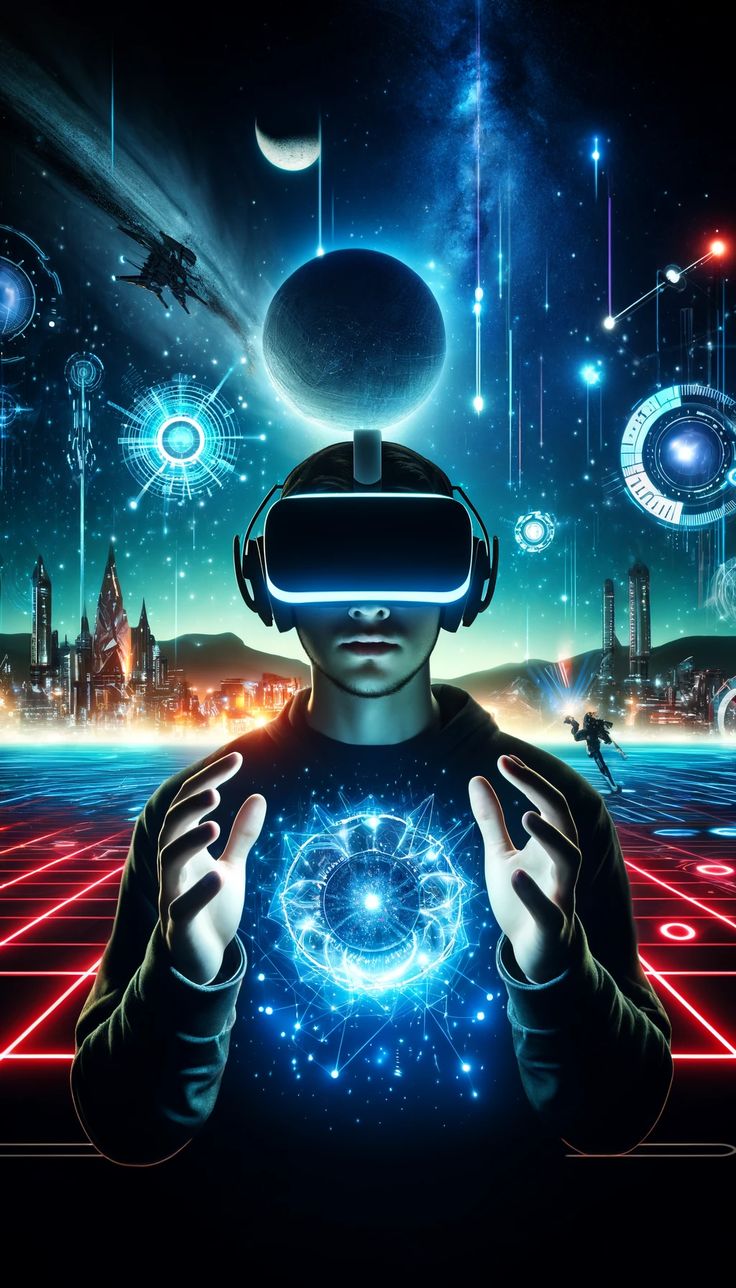
Virtual Reality (VR) is an advanced technology that creates a computer-generated environment where users can interact with a simulated world using special devices such as VR headsets and motion controllers.
Unlike traditional screens, VR immerses users in a 3D environment that feels realistic. This technology is widely used in gaming, education, healthcare, and training.
Why Virtual Reality (VR) is important?
Virtual reality is important because it enables immersive, realistic experiences that improve learning, training, and engagement in ways traditional methods cannot.
How Virtual Reality Works
Virtual reality works by combining hardware and software technologies to create immersive experiences. The system tracks a user’s movements and adjusts the digital environment in real time.
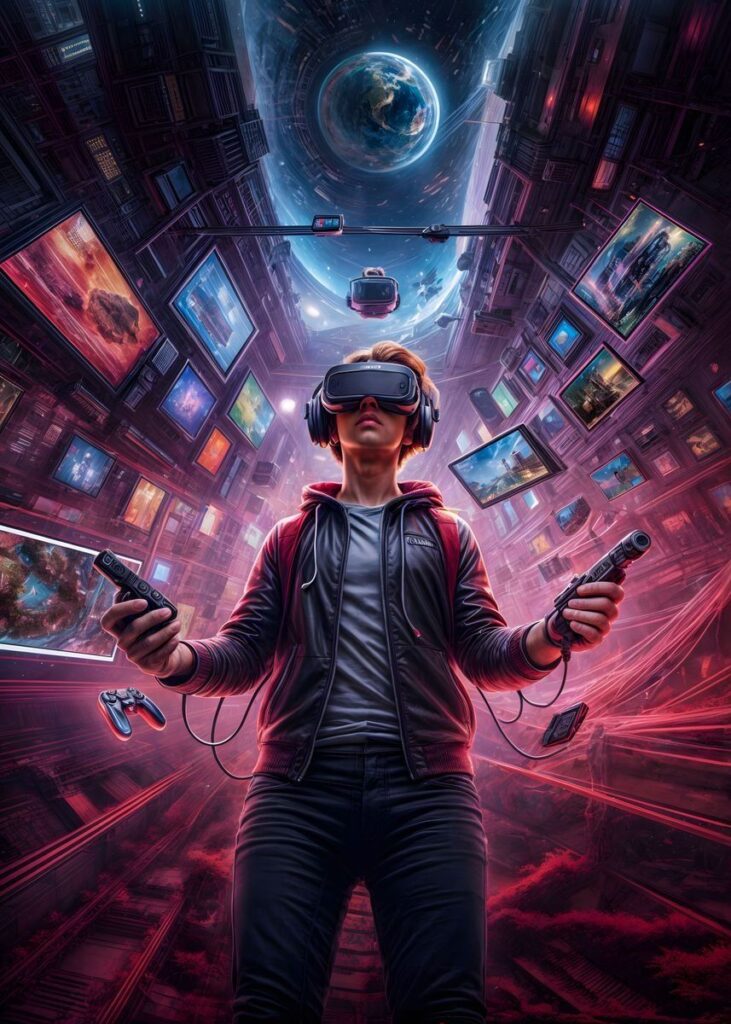
How does virtual reality impact society?
Beyond education, virtual reality is reshaping society by enabling new forms of social connection, supporting inclusive learning and work experiences, and influencing real-world behaviour and mental health through immersive training and therapeutic programs.
Key Components of VR Technology
- VR Headsets – Display the virtual world
- Motion Sensors – Track head and body movement
- Controllers – Allow users to interact with objects
- VR Software – Creates and manages virtual environments
These components work together to provide a fully immersive digital experience.
How is virtual reality used in education?
In education, virtual reality supports experiential learning by allowing students to explore environments and scenarios that are otherwise difficult to access.
This immersive learning experience improves engagement and retention of information. VR also bridges the gap between theory and practice by allowing students to practice complex procedures and real-world scenarios in safe, controlled environments.
Types of Virtual Reality
1. Non-Immersive VR
This type uses a computer screen where users interact with the virtual world using a keyboard or controller.
2. Semi-Immersive VR
Provides a partial virtual environment, often used in simulations and training systems.
3. Fully Immersive VR
Uses advanced headsets and motion tracking to create a complete virtual environment experience.
What are the key benefits of virtual reality?
Now that we have explored the importance of virtual reality in different sectors, let’s take a closer look at the specific benefits of this groundbreaking technology.
Applications of Virtual Reality
🎮 Gaming
VR gaming offers immersive experiences where players can interact with digital environments.
🎓 Education
Virtual classrooms and simulations help students learn complex subjects more effectively.
🏥 Healthcare
Doctors use VR for medical training, therapy, and surgical simulations.
🏢 Business & Training
Companies use VR for employee training and product demonstrations.
🏠 Real Estate
Virtual property tours allow buyers to explore homes remotely.
Challenges of Virtual Reality
Despite its advantages, VR faces some challenges:
- High hardware costs
- Motion sickness for some users
- Limited content availability
- Technical limitations
As technology advances, many of these issues are gradually improving.
What is the future of Virtual Reality
As technology continues to advance, virtual reality is set to evolve even further. Let’s explore what the future holds for this groundbreaking technology.
Predicted developments in VR technology
In the coming years, VR technology is expected to advance significantly. Key developments include improved display resolution, reduced motion sickness, and more intuitive input methods. In addition, the integration of virtual reality with emerging technologies such as augmented reality (AR) and artificial intelligence (AI) is likely to support more realistic and engaging virtual experiences.