

Blockchain Technology Guide 2026: How Blockchain Works and Its Future
What is Blockchain Technology?
Blockchain technology is a decentralized digital ledger that records transactions across multiple computers in a secure and transparent way. It ensures that data cannot be altered or tampered with once recorded.
Unlike traditional databases controlled by a central authority, blockchain operates on a distributed network, making it more secure and trustworthy.
Key Features of Blockchain Technology
- Decentralization: The ledger is not stored in one place; it is shared and synchronized across a network of computers (nodes).
- Immutability: Once data is recorded and locked into a block, it is nearly impossible to change. Altering any information would require changing all subsequent blocks and gaining network consensus.
- Cryptographic Security: Each block contains a unique cryptographic hash of the previous block, creating a secure, chronological “chain”.
- Transparency: In public blockchains, all participants can view the entire transaction history.
How Blockchain Works
Blockchain works by storing data in blocks that are linked together in a chain. Each block contains:
- Transaction data
- A unique hash (digital fingerprint)
- The hash of the previous block
This structure makes blockchain highly secure and resistant to tampering.
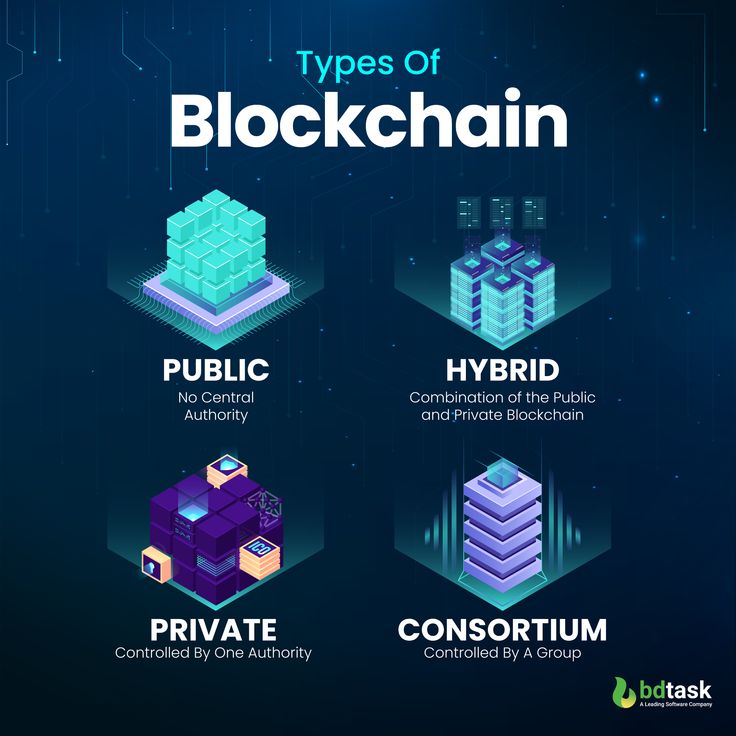
Types of Blockchain
1. Public Blockchain
Open to everyone and fully decentralized.
2. Private Blockchain
Controlled by a single organization.
3. Consortium Blockchain
Managed by a group of organizations.
4. Hybrid Blockchain
Combines public and private blockchain features.
Benefits of Blockchain Technology
- High security and data protection
- Transparency in transactions
- Reduced fraud and corruption
- Faster and cheaper transactions
- No need for intermediaries
Blockchain is revolutionizing how data and transactions are managed.
Applications of Blockchain
💰 Finance
Blockchain is widely used in digital payments, banking, and cryptocurrencies like Bitcoin.
📦 Supply Chain
Improves tracking of goods and ensures transparency.
🏥 Healthcare
Secures patient records and improves data sharing.
🗳️ Voting Systems
Ensures secure and transparent voting processes.
🧾 Smart Contracts
Automates agreements without intermediaries.
Blockchain vs Traditional Database
| Feature | Blockchain | Traditional Database |
|---|---|---|
| Control | Decentralized | Centralized |
| Security | Very High | Moderate |
| Transparency | High | Low |
| Data Editing | Not allowed | Allowed |
Blockchain provides more security and trust compared to traditional systems.
Challenges of Blockchain
- High energy consumption
- Scalability issues
- Regulatory uncertainty
- Complex implementation
Despite these challenges, blockchain technology continues to evolve.
Future of Blockchain Technology
The future of blockchain is promising. It is expected to transform industries such as finance, healthcare, logistics, and digital identity.
With the growth of decentralized finance (DeFi) and Web3, blockchain will play a major role in the digital economy of 2026 and beyond.
Who uses blockchain the most?
Blockchain technology is commonly applied in financial transactions, supply chain management, digital identity verification, and decentralized finance (DeFi), leveraging its transparency, security, and decentralization for enhanced efficiency. These applications highlight its potential to transform various industries.